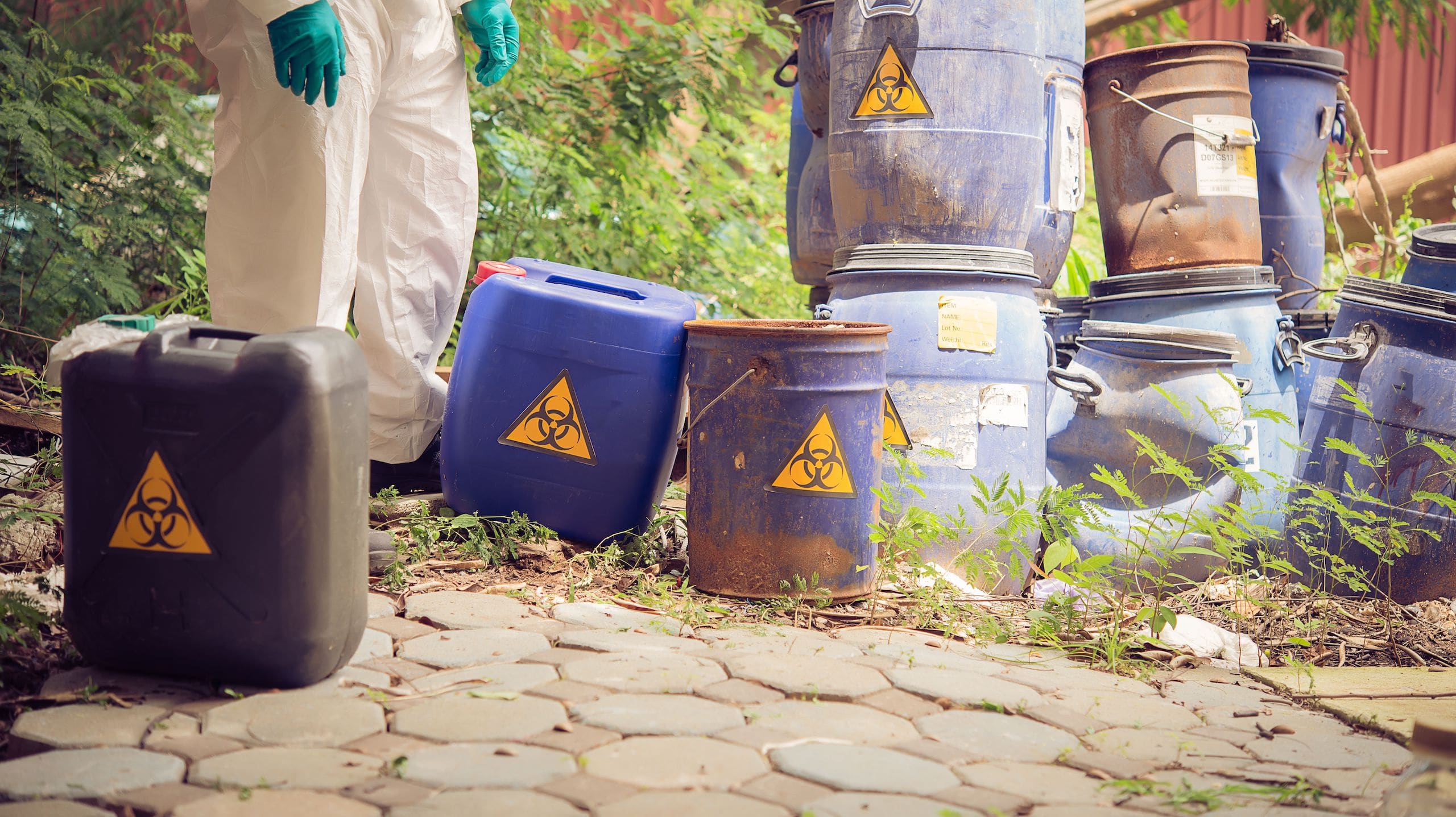
When a chemical spill, fuel leak, or fly-tipping incident happens, time is everything. The faster a trained team can assess, contain, and remove hazardous materials, the lower the risk to people, property, and the environment — and the smaller the disruption to your operations. Widdington Recycling provides a rapid, fully compliant 24/7 emergency waste removal service across Essex, Hertfordshire, and Cambridgeshire. Our specialists arrive equipped to stabilise the situation, protect nearby waterways and drains, and safely transport waste for licensed treatment and disposal, complete with full documentation for insurers and regulators.
From industrial premises and farms to logistics yards, construction sites, and public land, we work with duty-holders to meet legal obligations while restoring sites to a safe condition as quickly as possible. If you’re facing an urgent incident now, call our emergency team immediately — we’ll talk you through the first steps and mobilise the right resources.
Not every spillage requires an emergency response, but certain scenarios demand immediate professional intervention. If in doubt, treat the situation as high-risk and contact a specialist.
Delays allow contaminants to spread, increasing remediation scope and cost. Fast containment prevents migration to drains and watercourses, reduces vapour risks, and protects staff and the public. Crucially, the UK’s duty of care requires businesses and landowners to handle waste safely and use licensed carriers and facilities. Using untrained personnel or ad-hoc fixes (e.g., hosing down spills) can worsen pollution and lead to enforcement action.
With Widdington’s emergency team en route, you’ll receive guidance over the phone on safe, proportional steps to stabilise the scene. On arrival, our technicians conduct a rapid risk assessment, deploy appropriate containment, and prepare the site for compliant removal and decontamination. In the next section, we’ll explain how our 24/7 response process works — from assessment and segregation through to disposal, documentation, and site restoration.
Our emergency waste call-out service is available day and night, 365 days a year. We understand that environmental incidents rarely happen during office hours, which is why our dedicated response team is always on standby. From your initial call to site clearance and reporting, we handle every stage quickly and professionally, ensuring compliance with UK waste and environmental regulations.
When our operatives arrive on site, the first step is to assess the scale and nature of the incident. We identify hazards, isolate affected areas, and establish containment measures to prevent the spread of pollutants. Absorbent pads, booms, sandbags, and spill kits are deployed immediately. This early containment prevents costly secondary contamination, especially where drains or watercourses are nearby.
Once the area is secure, waste materials are carefully collected, labelled, and stored in suitable containers ready for transport. Every movement of hazardous waste is logged and accompanied by consignment notes, ensuring traceability from source to treatment. Widdington Recycling only works with fully licensed disposal facilities, guaranteeing that materials are treated, recycled, or destroyed in line with Hazardous Waste Regulations.
After removal, the site is cleaned and tested to confirm that no residual contamination remains. This may involve washing hard surfaces, neutralising chemicals, removing contaminated soil, or pressure cleaning concrete and metalwork. Where necessary, we arrange laboratory testing to verify that the area meets environmental safety standards before reinstatement or reopening.
Following every emergency call-out, clients receive a full incident report including photographic evidence, waste-transfer paperwork, and a summary of work completed. These records support insurance claims, internal audits, and Environment Agency notifications. Keeping a transparent paper trail helps demonstrate your organisation’s compliance and responsible management of hazardous materials.
Each scenario demands a tailored approach, but the goal remains the same — protect people, the environment, and your business reputation through safe, rapid, and compliant response.
When a spill or contamination occurs, the law places a clear responsibility on the party in control of the land, activity, or waste. Under the Environmental Protection Act 1990 and the Waste (England and Wales) Regulations 2011, businesses and landowners have a Duty of Care to manage waste safely from the point of production to its final disposal. Failing to act promptly or using unlicensed carriers can lead to prosecution, heavy fines, and reputational damage.
The Environment Agency must be notified immediately in the event of significant pollution or risk to controlled waters. Additionally, the Control of Substances Hazardous to Health (COSHH) Regulations and Health and Safety at Work Act 1974 require employers to protect workers and the public from hazardous substances. Proper containment, documentation, and the use of competent contractors such as Widdington Recycling are therefore essential steps in demonstrating compliance.
By engaging a licensed waste carrier and environmental response provider, you fulfil these obligations and protect your business from liability. Our team ensures every step — from containment to disposal — is recorded and carried out in accordance with UK waste legislation.
While emergencies can happen unexpectedly, many incidents are avoidable through proactive risk management. Widdington offers consultancy and waste audit services to help clients identify high-risk areas, assess chemical storage, and develop spill-response procedures. We also recommend regular staff training and maintaining spill kits, booms, and absorbent materials near storage tanks or refuelling points.
Simple preventative measures — such as bunding fuel tanks, inspecting pipework, and segregating incompatible substances — can dramatically reduce the likelihood of future contamination. Our experts can assist in creating an emergency response plan tailored to your site, ensuring that all team members know exactly what to do if an incident occurs.
If you’re dealing with a spill, leak, or environmental hazard right now, don’t wait. Contact Widdington Recycling’s 24/7 emergency team for immediate assistance. We’ll guide you through the first steps, mobilise qualified responders, and ensure the situation is handled safely and legally.
For non-urgent enquiries or to discuss preparedness and prevention measures, you can also reach us via our dedicated page below.